Albany Graphite Corp. · Northern Ontario · TSX-V: ZEN
Albany.
Preliminary Economic Assessment modelling 5N+ purity at premium pricing.
Headline economics
See Zentek's press release dated August 10, 2026. The PEA is preliminary in nature. It includes inferred mineral resources that are considered too speculative geologically to have the economic considerations applied to them that would enable them to be categorized as mineral reserves, and there is no certainty that the PEA will be realized. Mineral resources that are not mineral reserves do not have demonstrated economic viability. Readers are cautioned not to assume that all or any part of the Indicated or Inferred Mineral Resources will ever be converted into Mineral Reserves or that the PEA represents, or will result in, an economically viable mining operation.
The deposit
Rare igneous-hosted, fluid-derived natural graphite deposit.
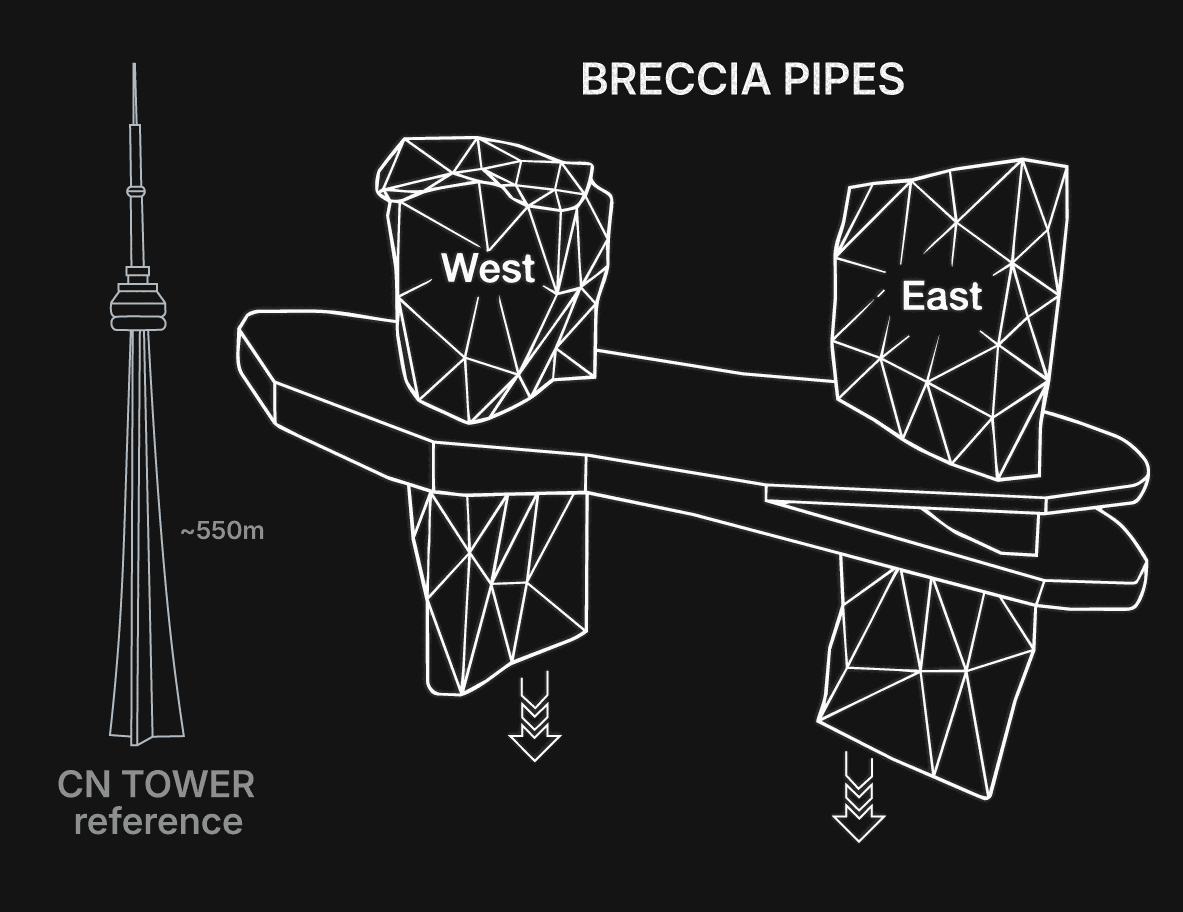
Formed inside two breccia pipes.
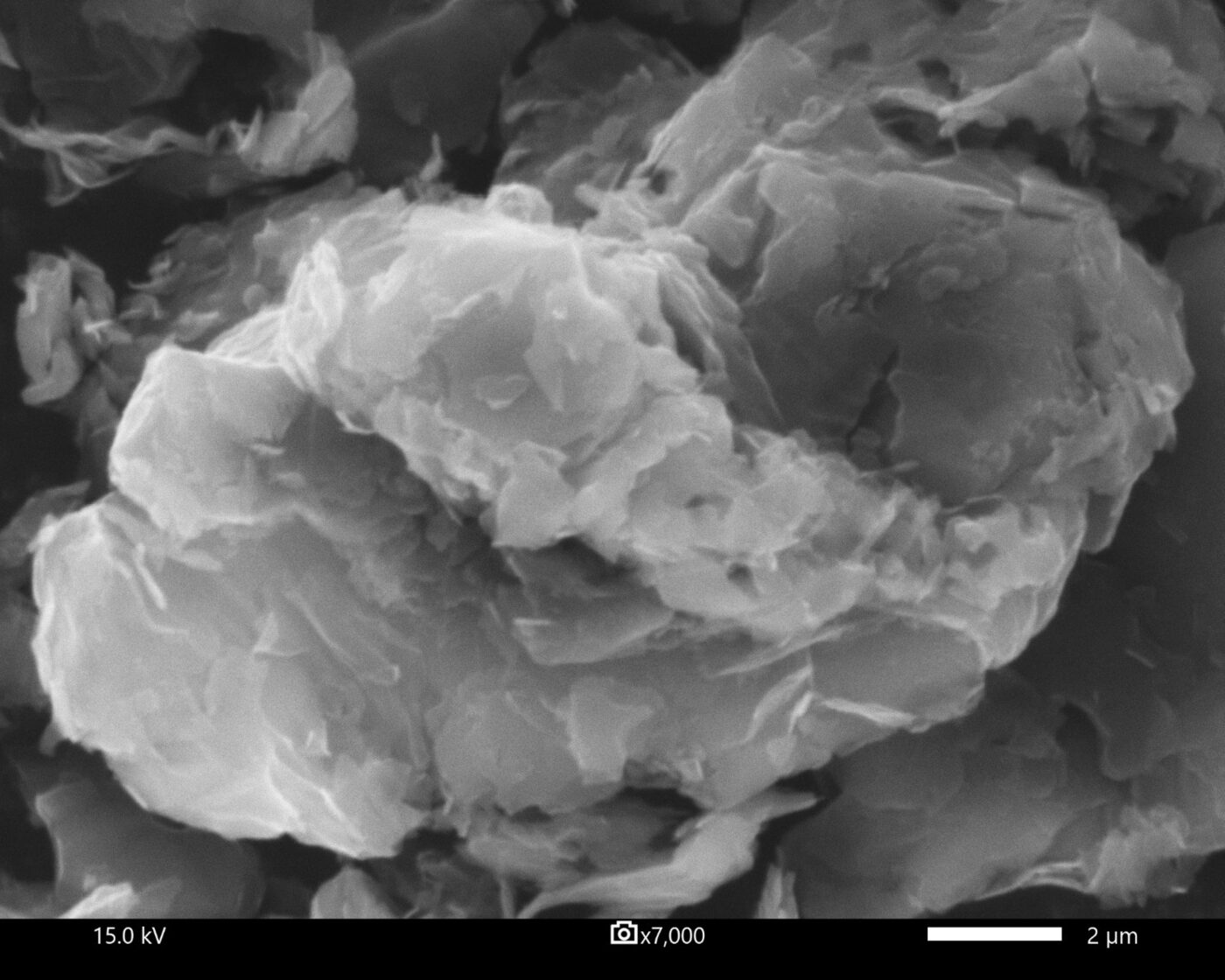
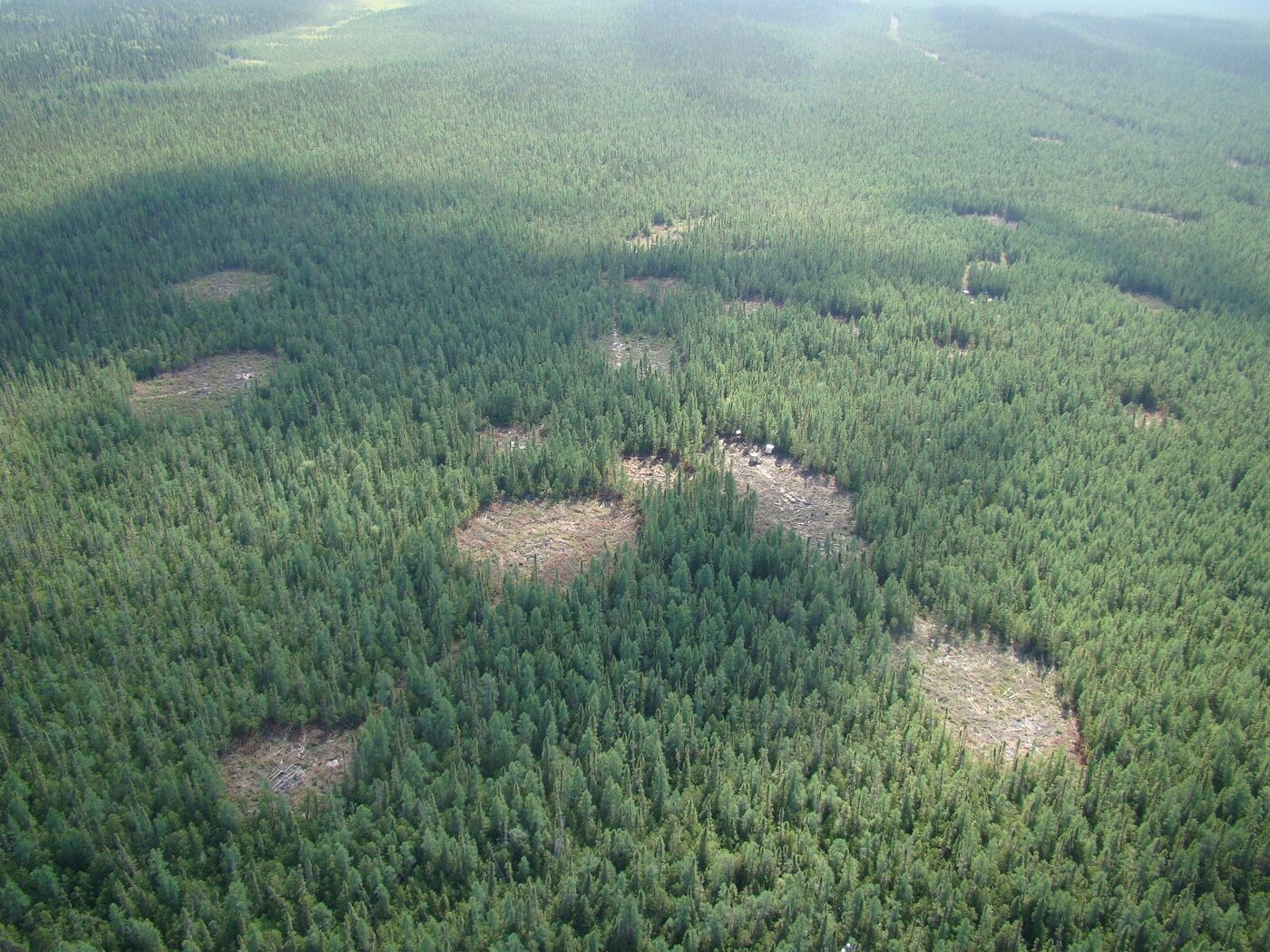
Albany is hosted within a rare intrusion-related breccia-pipe vent system in the traditional territory of Constance Lake First Nation, approximately 70 km northwest of Hearst, Ontario, and is believed to have formed from carbon-rich fluids released during the degassing of an ascending magma (Conly and Moore, 2015). Bench-scale FBR thermal purification has demonstrated 99.9992% carbon purity and 2.60 ppm EBC in independent laboratory testing - results consistent with published purity thresholds referenced for certain nuclear, defence, naval and aerospace graphite applications.
Deposit type
Globally rare.
In plain terms: Albany's graphite formed in a way no other known deposit did, and that origin is why it purifies so cleanly. Igneous-hosted, fluid-derived natural graphite. Believed to have formed by rapid precipitation from carbon-rich magmatic fluids during depressurization and cooling (Conly and Moore, 2015) - not metamorphic, not vein-type. No other confirmed deposit of this type has been publicly documented. A vapour-overpressure event is interpreted to have formed two breccia pipes and caused rapid precipitation of fine, polycrystalline graphite within them.
Technical documentsSee the marketsStructure
East Pipe and West Pipe.
Steep sided, inverted cone, narrowing at depth
~350 m long (NE–SW) by ~160 m wide at its apex and modelled to a depth of ~525 m, open at depth.
Near-vertical tabular body tapering with depth
~300 m long (NW–SE) by ~50–75 m wide at its apex and modelled to a depth of ~625 m, open at depth. More extensive low-grade halo.
Albany Alkalic Complex
An igneous intrusion of syenite, monzonite, diorite and local granite phases.
Markets
Where 5N graphite goes.
Small Modular Reactors (SMRs), defence and aerospace are specification-driven markets that require ultra-high-purity graphite. Albany's bench-scale purification results position the project for evaluation within these markets, subject to further development, qualification and project economics. Explore the full market context in The Graphite Divide series.
Read The Graphite Divide